
Defense firms are under growing pressure to spot litigation risk early. Corporate clients want counsel who can warn them about emerging exposure, not simply respond after a complaint arrives. At the same time, plaintiff firms are using data, advertising, and intake signals that reveal their strategies long before a filing becomes public.
That expectation is echoed in the 2025 Carlton Fields Class Action Survey, which found that corporate legal departments increasingly emphasize proactive risk management and trend tracking to prevent the next wave of class actions now more than ever.
One Fortune 500 general counsel told the firm, “If we have insight into a class, we work with our business teams to try to avoid the claim or to limit any potential exposure. We can also make changes to ensure it doesn’t become a bigger issue.”
Rain Intelligence gives defense firms a way to meet that expectation. The platform consolidates early warning indicators that appear before new disputes form.
It highlights pre-filing signals, shifts in plaintiff advertising, regulatory actions that often trigger private claims, data driven forecasts that point to likely filings, and real time visibility into class actions and investigations.
This article explains how defense firms turn those insights into new business opportunities, stronger client relationships, and earlier intervention when risk begins to surface.
1. Litigation Forecasts
Predictive Signals That Identify Cases Before They Are Filed
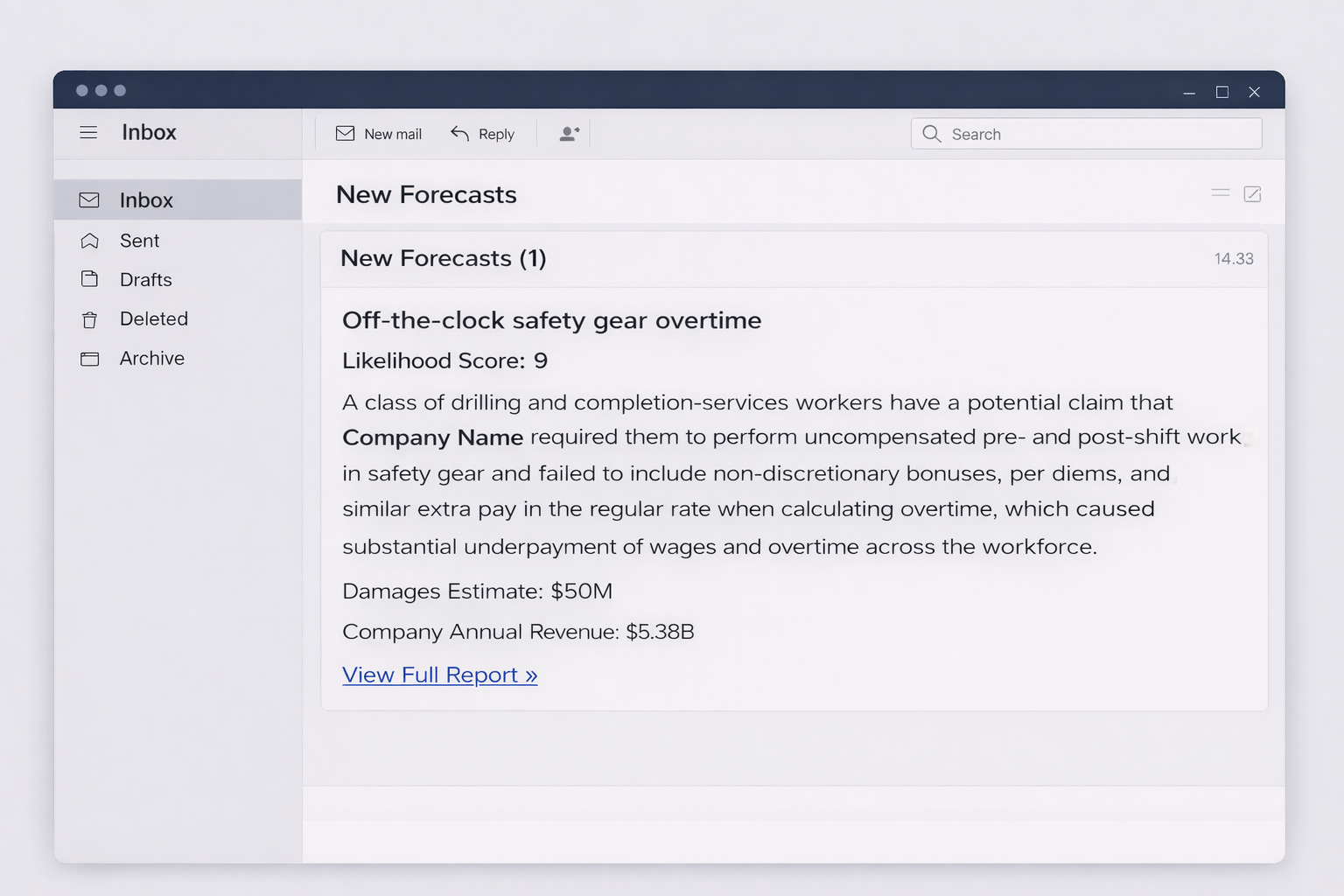
Rain’s forecasting engine analyzes thousands of variables that historically correlate with new litigation. These include regulatory developments, consumer complaint spikes, product failure discussions, supply chain disputes, abnormal market behavior, and prior settlements that signal a path plaintiffs may follow again.
Instead of waiting for a complaint to appear on a docket, Rain identifies clusters of data that resemble earlier waves of litigation. When those patterns align, the system generates a forecast highlighting the types of claims and industries most likely to see new filings based on historical precedent.
Typical inputs include:
- Regulatory moves and policy shifts that create new theories of liability
- Sudden changes in customer complaint volume or topic
- Public disclosure events that highlight risk, such as restatements or safety notices
- Media or advocacy campaigns that focus attention on a particular practice
- Historical patterns where similar data preceded major class actions
How Defense Firms Use This For Business Development
Defense firms use litigation forecasts to get out in front of clients with insight, not fear. Common plays include:
- Immediate client alerts: Send short, focused messages to key clients: “We are seeing this fact pattern heating up, here is what it means for your exposure and how peers are responding.”
- Preemptive compliance reviews: Offer assessments to stress test product disclosures, billing flows, consent language, or safety warnings in the area the forecast flags.
- Proactive partner memos: Partners or practice leaders send one or two page analyses of the emerging pattern. These show expertise, give practical guidance, and invite further discussion without a hard sell.
- Predictive intelligence for clients: When a forecast suggests that a competitor in the client’s sector is likely to be targeted, defense counsel can flag this early. General counsel take those warnings seriously because they frame risk in a market context.
How to Leverage This Forecast:
1. Identify existing clients and priority prospects in energy, industrial services, and field based labor sectors whose workforce practices resemble the flagged pattern, including mandatory safety gear, shift based labor, and non discretionary pay components.
2. Then execute targeted outreach with:
- A short advisory explaining how similar practices have historically triggered wage and hour class actions, including failure to count safety related time and bonuses in the regular rate.
- A focused overtime and timekeeping review to assess pre and post shift activities, pay components included in overtime calculations, and exposure under state and federal wage laws.
This positions the firm as proactive risk counsel that helps clients correct issues before claims surface publicly, rather than responding after a class action is filed.
The Shift in Practice Mindset
Most law firms still operate reactively. They wait for calls, press releases, or docket updates. We help firms move beyond that passive posture by transforming discovery into prediction. Attorneys who integrate pre-filing alerts into their workflow can:
- Identify potential plaintiffs or defendants before public filings.
- Secure early consultation windows while competitors are still researching.
- Shape litigation framing and strategy before the complaint phase.
- Advise clients on risk mitigation to prevent exposure altogether.
2. Plaintiff Advertising And Investigation Monitoring

Seeing Plaintiffs Build The Case Before They File It
Plaintiff firms often reveal their intentions before any lawsuit appears. They do so through advertising, intake campaigns, and public announcements that they are “investigating” particular products, practices, or events.
Rain continuously monitors:
- Lead generation advertisements
- Mass tort landing pages and intake funnels
- “Investigation” announcements on firm websites and press outlets
- Search optimized articles that encourage consumers to contact counsel
- Social media campaigns that recruit potential class members
- Paid search terms that target specific product issues or injuries
How This Manifests:
If Rain detects a sharp increase in plaintiff advertisements and landing pages around “electric vehicle battery range misrepresentation,” a defense firm can immediately:
- Notify auto, mobility, battery technology, and energy clients
- Provide a short benchmark of the specific claims plaintiffs are making in ads
- Recommend targeted review of range disclosures, marketing claims, and customer service scripts
Creating clear, timely value without waiting for the first complaint to appear.
3. Regulatory Early Warning System
Agency Activity That Often Turns Into Class Actions
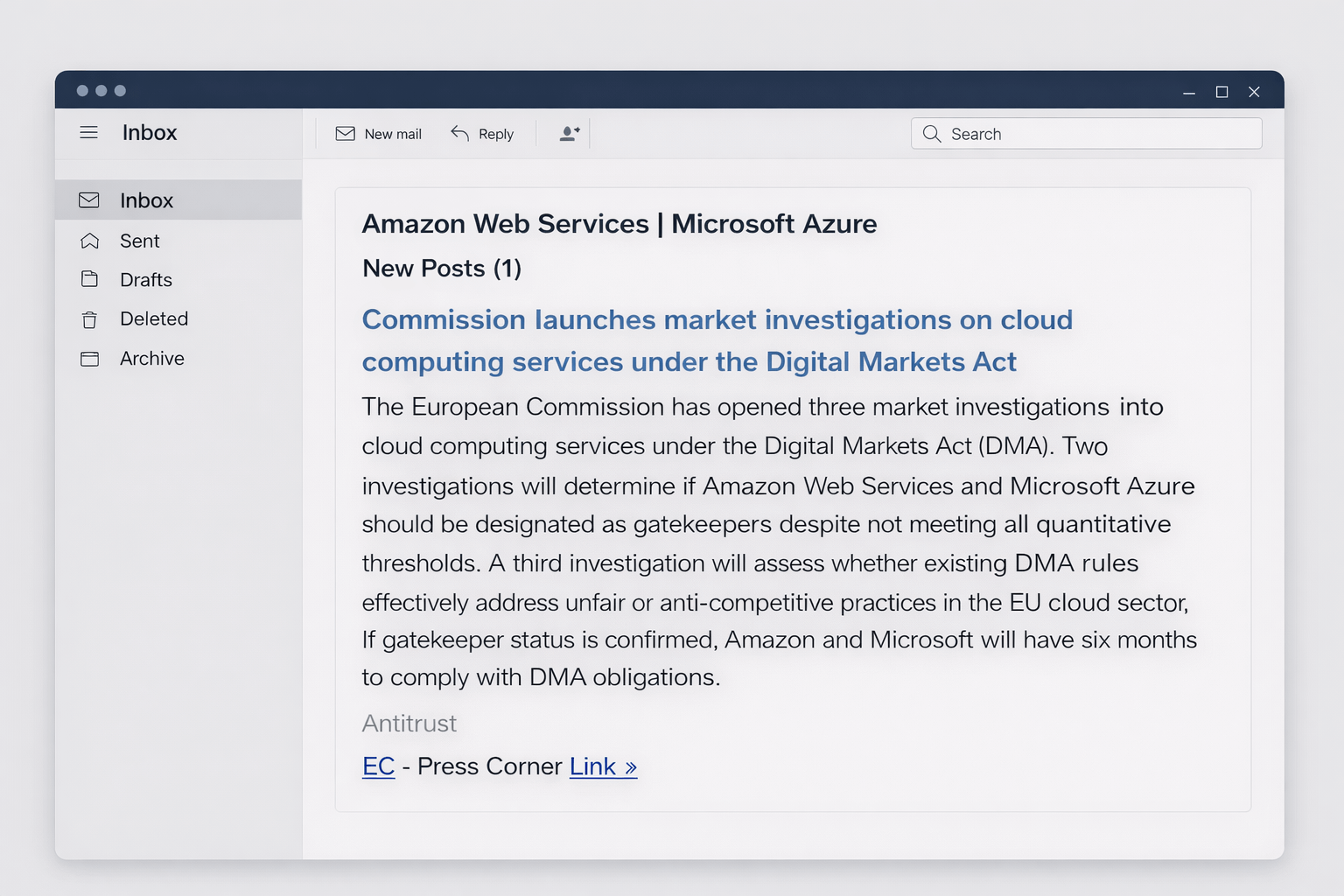
Regulators often move first. Private litigation follows soon after. Rain monitors agency activity that historically triggers class actions.
This includes actions from the Federal Trade Commission, the Consumer Financial Protection Bureau, the Food and Drug Administration, the Federal Communications Commission, and state level authorities. Signals like these help defense firms identify which industries may soon face pressure and which practices are drawing scrutiny.
The benefit is not only early visibility. Regulatory signals often clarify the legal theories that plaintiffs may pursue. They reveal the frameworks, terminology, and fact patterns that will likely appear in future complaints.
How Defense Firms Use This For Business Development
Defense practices can use the regulatory early warning system to build proactive advisory work and deeper cross sell relationships.
- Predict class action follow-ons: When a regulator targets a practice or industry, Rain flags similar companies that may be at risk even before any private complaints appear.
- Create cross sell plays: A privacy enforcement action can create work for advertising, product, consumer protection, and employment. Business development teams can design outreach that connects multiple practices around a single emerging exposure.
How This Might Play Out in Practice:
Imagine the Federal Trade Commission announces an action involving a subscription service that made it too difficult for customers to cancel. On its face, that looks like a privacy or consumer protection issue. But inside a large defense firm, that single action touches several other groups.
- The advertising team sees questions about how the company presented its terms.
- The product team sees questions about the flow that guided users through cancellation.
- The employment group notices that staff training and call center scripts may become relevant.
- The consumer protection group recognizes patterns that plaintiffs often copy in private class actions.
A business development professional can take that one regulatory action and bring those groups together. They prepare a short internal note explaining why the development matters, which clients may be exposed, and which teams should be involved in a coordinated advisory.
Partners then reach out to clients with a simple message about what the agency is signaling and how the firm can help them get ahead of similar scrutiny.
In practice, one enforcement action creates a moment where several practices can contribute insight. When coordinated well, it becomes a strong cross sell opportunity that feels natural to clients because it is grounded in a clear regulatory event.
4. Consumer Complaint And Market Signal Analytics
Structured Monitoring Of Where Real Consumer Issues Are Emerging
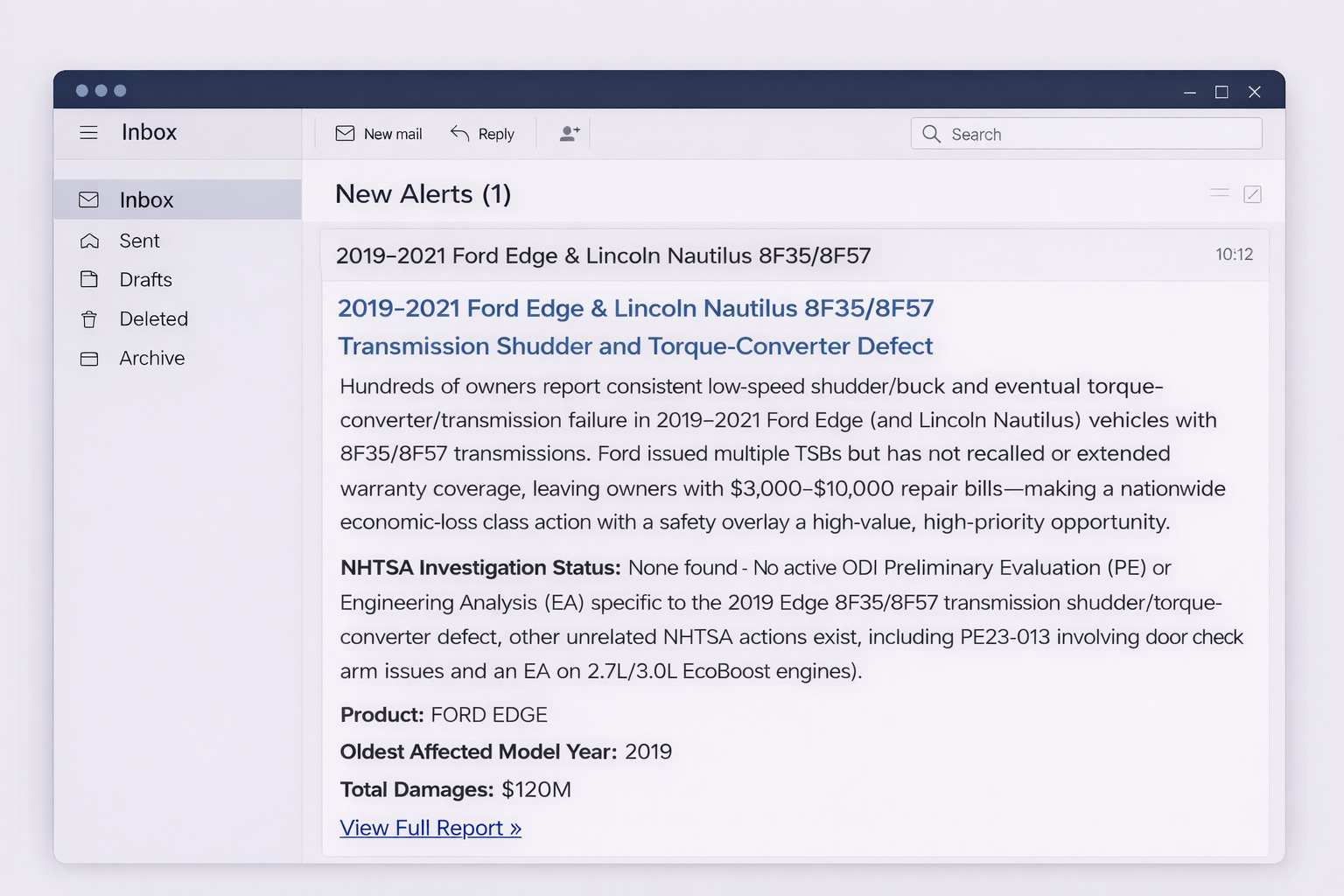
Not every consumer complaint becomes a claim. However, waves of consistent complaints often precede significant litigation. Rain ingests and analyzes a wide range of consumer and market signals, including:
- National Highway Traffic Safety Administration complaint and investigation data
- Better Business Bureau complaint data
- App store and marketplace reviews
- Subreddit threads and other social forums related to key industries
- Specialized product and enthusiast communities
- Public competitor complaint data and feedback patterns
How Defense Firms Use This For Business Development:
Defense firms can use these insights to help clients build resilience and to identify high value advisory work.
- Spot product defects before they surface in court: When Rain detects unusual complaint patterns related to safety, performance, or reliability, the firm can alert clients long before a plaintiff firm organizes a class.
- See spikes in billing, disclosure, and consent issues: Persistent customer comments about confusing charges, unclear trial terms, or consent flows can signal risk that maps directly to enforcement and litigation history.
5. Real Time Class Action Filings
Helping Defense Teams Act The Same Day A Case Is Filed
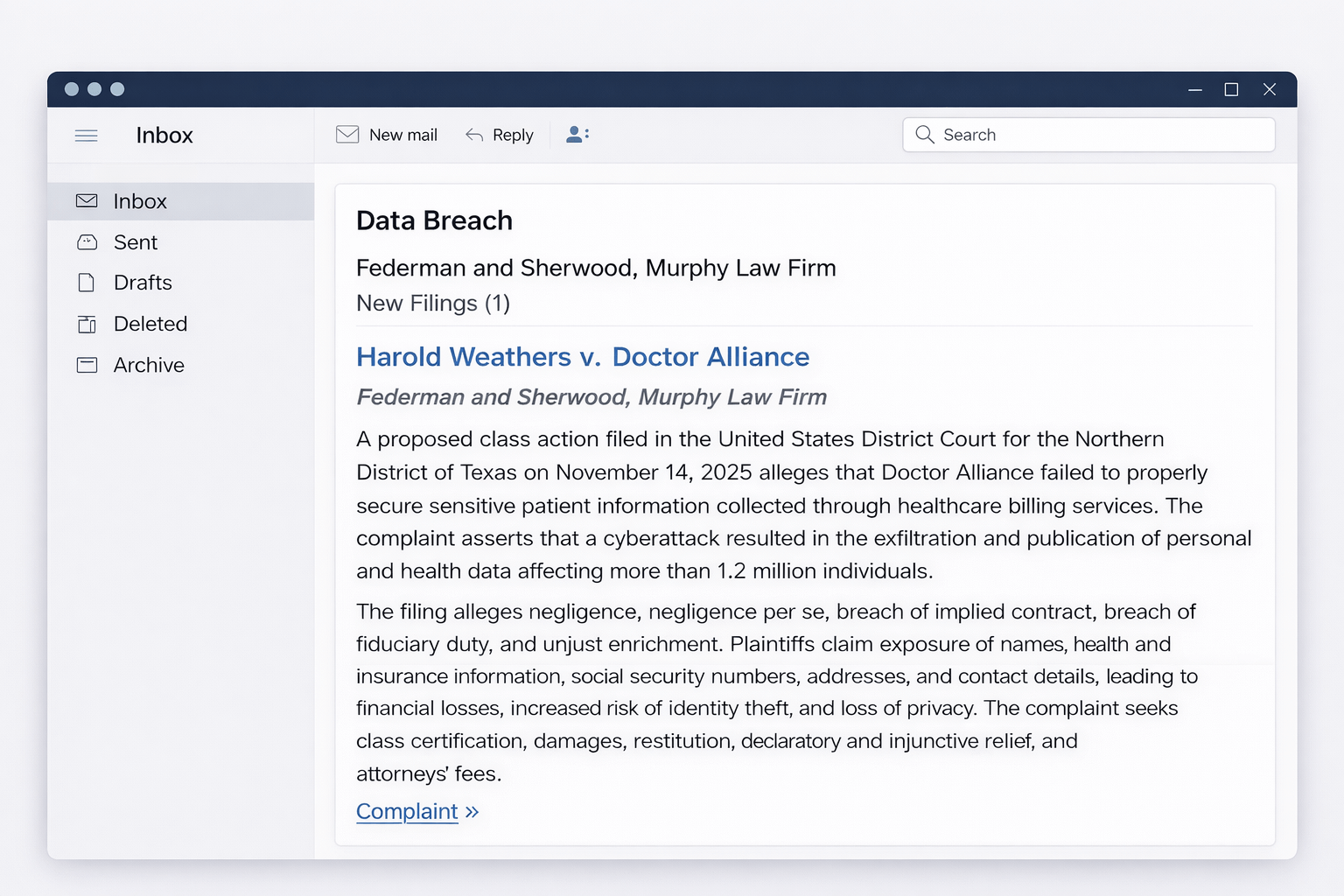
When a new class action appears, Rain Intelligence captures it immediately and breaks the filing into clear, structured information. Partners see the core facts, the parties involved, and the court handling the matter without reading through a full complaint. This gives defense teams an instant understanding of what the case is about and how it fits into the broader landscape.
The structured view also helps firms stay organized. A single filing can touch several practice groups, and Rain makes those connections visible so the right people can weigh in quickly. As more filings come in, patterns start to emerge.
Lawyers can see which types of cases are increasing and which industries are receiving more attention, which creates a clearer picture of how the litigation environment is shifting.
How Defense Firms Use This For Business Development:
Real time class action alerts give defense teams multiple paths to new work and stronger relationships.
- Rapid client contact: Reach out to existing and priority clients the same day a competitor or adjacent company is sued. The message is not simply “you could be next,” it is “here is what this filing tells us about risk for your business.”
- Industry wide alerts: Publish short alerts when a filing appears to open a new front in an industry. This positions the firm as the first to translate the case into business implications.
- Trend tracking for practice strategy: Over time, firms see which sectors plaintiffs firms move into and which theories gain traction. This informs lateral strategy, thought leadership topics, and which partners should become visible in which industries.
In each scenario, the goal is the same. Your firm is the one calling with context while others are still scanning the docket.
6. Mass Tort And Multi-District Litigation Early Development Tracker
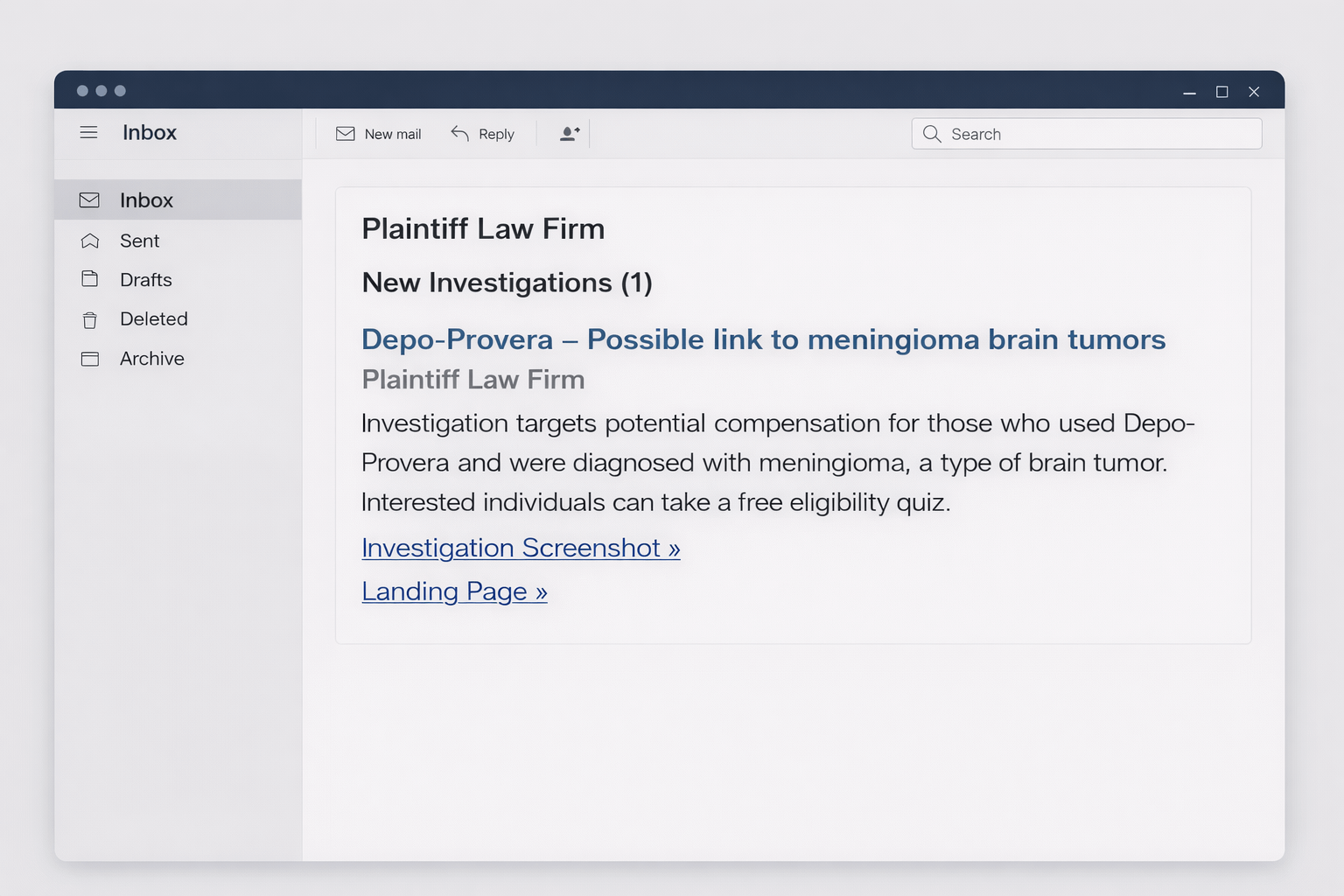
Monitoring The Formation Stage Of The Next Large Scale Mass Tort
Large scale litigation rarely appears without warning. There is usually a developmental period where plaintiff firms gather information, prepare intake pathways, coordinate expert reviews, and test early theories.
Rain identifies signals that reflect this stage, such as unusual clusters of injuries, shifts in expert participation, early intake activity, and Food and Drug Administration observations.
Defense firms that support pharmaceutical, medical device, and consumer product companies gain a meaningful advantage when they can see this stage early. It gives clients time to evaluate scientific questions, review documentation, assess insurance posture, and prepare communications before litigation accelerates.
How Defense Firms Use This For Business Development:
When early signs of a mass tort begin to surface, clients want steady guidance, not alarm. This is where defense firms can step in with real value. The tracker helps partners see the issue while it is still forming, which gives them room to reach out quietly and help clients look at the facts.
A simple conversation about the science, the product history, or the documentation that will matter later often reassures clients and shows that their counsel is paying attention.
The early view also helps firms understand who on the plaintiff side is moving into the space. Seeing which firms are testing theories or bringing in familiar experts helps partners anticipate the style of litigation that may follow.
Clients appreciate knowing who might be on the other side long before the first filing appears. Above all, early involvement gives defense firms the chance to show calm judgment.
When a firm reaches out early, explains what the signals mean, and offers to walk through the potential exposures, it positions itself as a long term partner rather than someone who appears only after the problem becomes public. Many clients base future engagements on that kind of steady, early support.
7. Settlement And Judgment Trends: Tracking Outcomes To See Where Liability Is Rising
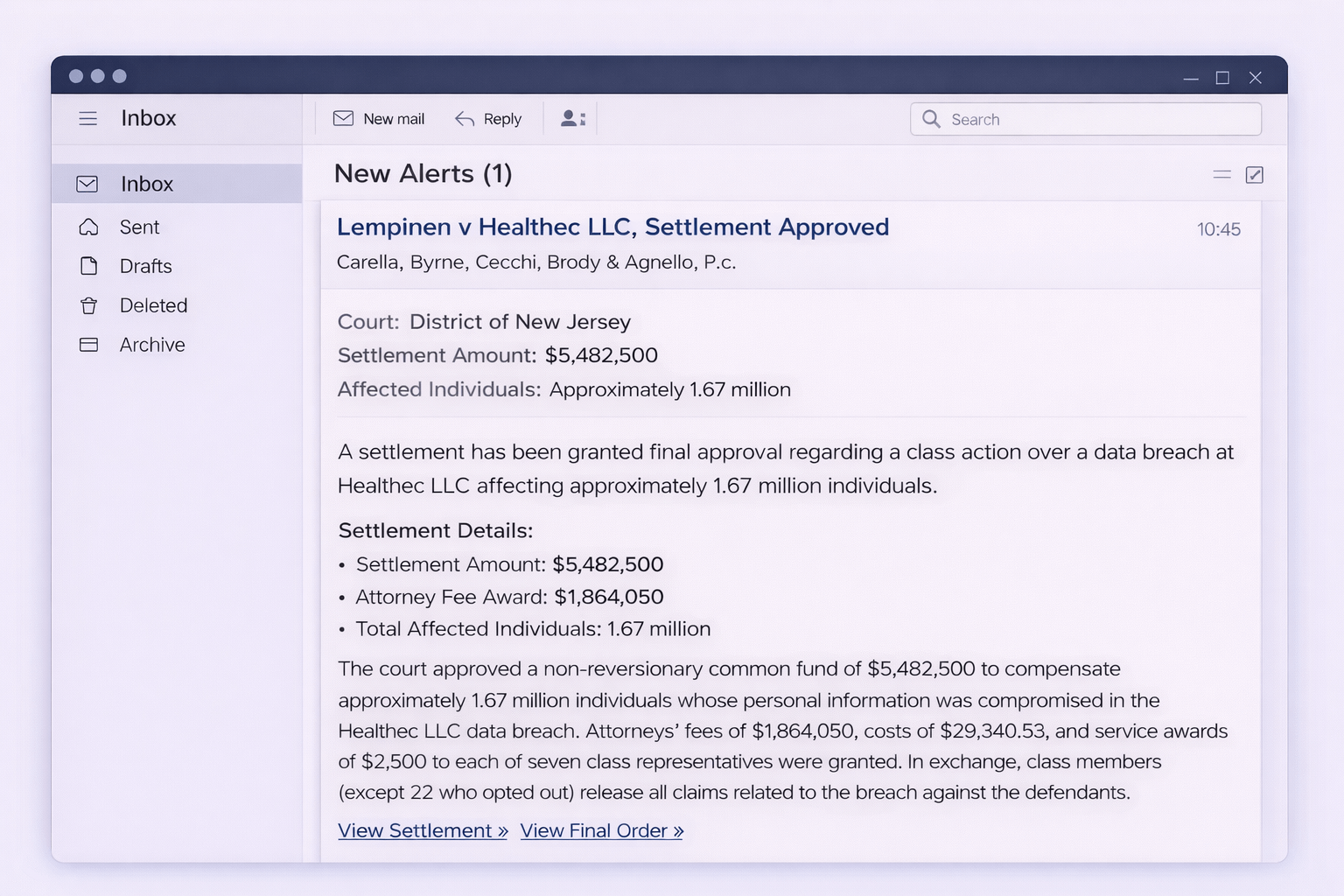
Understanding how litigation ends helps defense teams understand what is coming. Rain tracks settlement and judgment outcomes across industries and claim types. It highlights where exposure is rising, which theories are succeeding, and which plaintiff firms are finding traction in specific categories.
These trend lines give defense partners a clearer sense of risk. They can advise clients with data rather than speculation and help them understand how similar cases have been resolved.
8. Attorney Recommendations
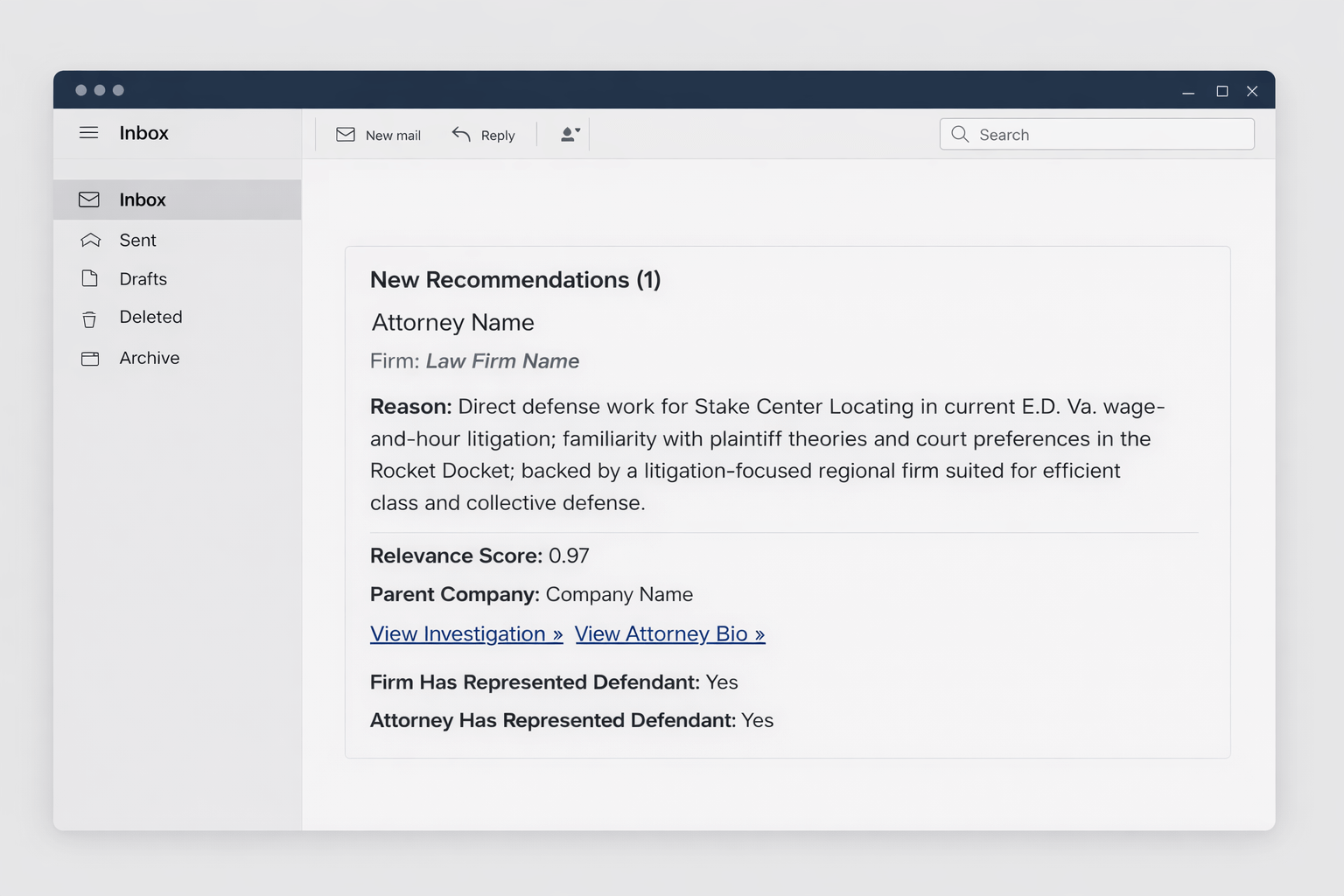
When a potential case begins to form, the next question for a defense firm is who should handle it. Rain Intelligence answers that with an attorney recommendation engine that evaluates the background, experience, and history of potential counsel.
The system reviews prior results, subject matter experience, court familiarity, and whether the attorney has represented similar defendants. It then generates a relevance score and a clear explanation for why that attorney is a strong fit for the specific fact pattern.
Defense firms use this as an internal benchmark. It helps practice leaders compare options, identify the best person to lead the response, and make sure the client has a team that matches the risk and complexity of the matter.
Clients appreciate this because it gives them confidence that the firm is bringing the right talent to the table, not simply the lawyer who is available.
By pairing early warning intelligence with attorney suitability, Rain gives firms more than insight. It gives them a practical next step: the right lawyer for the job, selected with the same level of data driven rigor that clients expect on every major matter.
Speed, Context, And Proactive Value Win Defense Work
Defense firms that win the most attractive work tend to do three things consistently:
- Reach clients faster than competitors when risk appears
- Provide context and foresight that internal teams cannot get from public sources alone
- Show concrete value before a crisis arrives
Rain Intelligence’s litigation forecasting and early warning capabilities give defense partners a system to do all three.
When a general counsel receives a note that says:
“We are seeing early indicators that your industry is likely to be targeted next, here is what that means and what we suggest doing now,”
You are no longer responding to events. You are leading the conversation.
Clients hire the lawyers who lead. They stay with the lawyers who keep them ahead of the next problem instead of simply cleaning up the last one.
Rain Intelligence exists to support that kind of practice, one where early signal turns into better decisions, stronger relationships, and a more durable defense practice for years to come. Book a brief demo with the team today!